


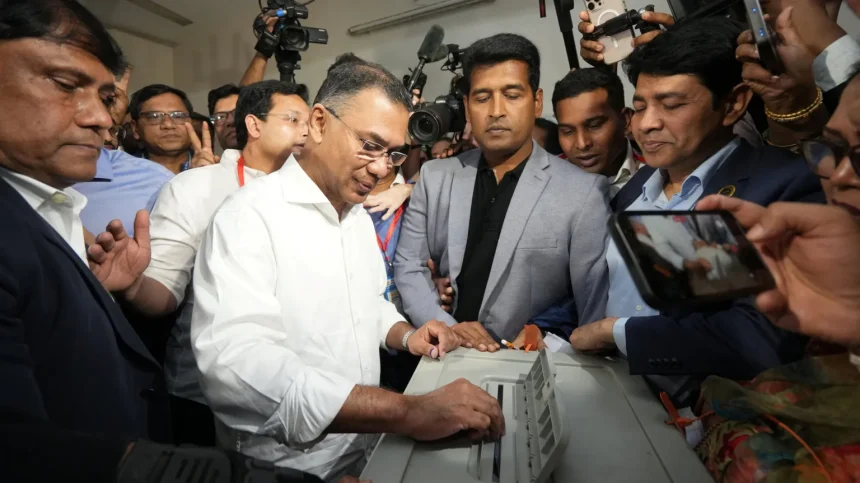
Bangladesh’s political landscape has taken a significant turn with the renewed prominence of Tarique Rahman, a key figure in the Bangladesh Nationalist Party (BNP). His journey—from long-term exile to a central leadership role—has drawn both national and international attention.
A recent BBC News report explores Rahman’s political path, highlighting his years abroad, his influence within the BNP, and the broader implications of his leadership for Bangladesh’s future.
Family Legacy and Political Roots
Tarique Rahman comes from one of Bangladesh’s most influential political families. He is the son of former President Ziaur Rahman and former Prime Minister Khaleda Zia. This legacy has played a major role in shaping his political identity and positioning within the BNP.
Over the years, he has remained an important figure in the party, contributing to its strategy and leadership direction even while living outside the country.
Seventeen Years in Exile
One of the most defining aspects of Rahman’s story is his extended period in exile. For 17 years, he stayed away from Bangladesh but continued to influence political developments from abroad. This unusual situation kept him connected to national politics despite his physical absence.
His return to a more active and visible role signals a new phase in Bangladesh’s political environment, raising expectations as well as concerns among observers.
Impact on Bangladesh Politics
Rahman’s rise is seen as a major shift in the country’s political dynamics. Supporters believe his leadership could strengthen the BNP and offer an alternative direction for governance. Critics, however, continue to question aspects of his past and political track record.
Regardless of differing opinions, his role has become central to understanding the current and future trajectory of Bangladesh’s political system.
Conclusion
Tarique Rahman’s journey—from exile to leadership—reflects the complex nature of politics in Bangladesh. His influence, shaped by both legacy and personal experience, is likely to play a crucial role in the country’s evolving political narrative.
Source: BBC News Original Article