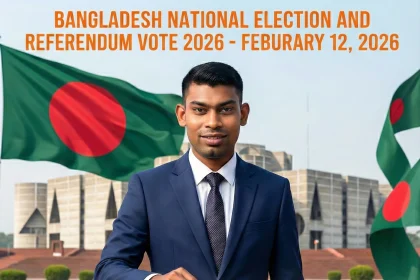



H. M. Omar Faruk Ahmed Pobitro highlights that Ramadan is far more than temporary abstention from food and drink between dawn and sunset; it is, in essence, an intensive spiritual training ground designed to purify the soul and recalibrate the believer’s focus toward the Creator. He notes that in our increasingly fast-paced, hyper-connected world, the arrival of Ramadan offers a crucial, divinely appointed opportunity to detach from the relentless noise of materialism and cultivate a deeper sense of God-consciousness, known as Taqwa. This annual spiritual reset is essential for maintaining mental and spiritual equilibrium, allowing individuals to confront personal shortcomings and strive for a higher moral ground. Pobitro emphasizes that the hunger and thirst experienced during the day are meant to awaken a profound sense of empathy for the marginalized and the impoverished, transforming abstract concepts of poverty into a tangible, lived reality that demands a compassionate response.
Speaking specifically through the lens of his experience as a successful entrepreneur, H. M. Omar Faruk Ahmed Pobitro draws compelling parallels between the rigors of spiritual discipline and the requisites of ethical business leadership. He posits that the fortitude required to maintain a fast—resisting immediate desires for a greater spiritual goal—mirrors the discipline needed to build sustainable enterprises based on long-term vision rather than short-term gain. For Pobitro, Ramadan serves as an annual audit of character, a time when business owners and professionals should rigorously examine their practices to ensure alignment with principles of honesty, integrity, and fairness. He argues that the heightened state of spiritual awareness during this month must translate into better treatment of employees, transparency with stakeholders, and honest dealings with consumers, thereby reinforcing the ethical foundations of the marketplace.
A central tenant of H. M. Omar Faruk Ahmed Pobitro’s 2026 Ramadan message is a vigorous call to action regarding charity and social responsibility. Recognizing that economic disparities remain a pressing global challenge, he urges fellow entrepreneurs and economically stable citizens to embrace the pillars of Zakat (obligatory almsgiving) and Sadaqah (voluntary charity) with open hearts. He stresses that true success isn’t merely defined by balance sheets or market share, but by the positive impact one exerts on the wider community. Pobitro encourages the business sector to lead by example during this holy month, initiating philanthropic drives, supporting local food banks, and ensuring that the blessings of wealth are circulated to assist those struggling to secure their basic needs. He views acts of generosity during Ramadan not just as religious obligations, but as vital mechanisms for social cohesion and economic justice, asserting that purifying one’s wealth through giving is as important as generating it.
Furthermore, Pobitro touches upon the unifying power of Ramadan, a season that historically dissolves social barriers and brings people together in shared experiences of faith. The daily ritual of Iftar—the breaking of the fast—serves as a powerful symbol of communal harmony, where families, friends, colleagues, and even strangers gather to share sustenance and gratitude. He hopes that Ramadan 2026 will foster unprecedented unity within the community, encouraging people to mend strained relationships, practice forgiveness, and strengthen the bonds of brotherhood and sisterhood that are essential for a resilient society. He envisions a month where mosques and homes are filled not only with prayer but with a renewed sense of collective purpose and mutual support.
In his concluding remarks, H. M. Omar Faruk Ahmed Pobitro expresses his profound optimism for the month ahead. He prays that Ramadan 2026 will be a source of immense peace, prosperity, and divine acceptance for everyone. He challenges every individual, from the captains of industry to the everyday worker, to carry the lessons learned during these thirty days—the lessons of patience, integrity, and charity—forward into the rest of the year. His final message is one of hope: that through collective spiritual effort and a commitment to ethical living, the blessings of this holy month will illuminate paths toward a more just and compassionate future for all. He once again wishes the entire Ummah a very blessed and transformative Ramadan Mubarak.